Сегментация сети через VPN в 2026: микросегментация, VLAN vs VPN и строгая изоляция критичной инфраструктуры
Глубокий гайд по сетевой сегментации через VPN: сравнение VLAN и VPN, микросегментация, Zero Trust, ZTNA и SDP, изоляция критической инфраструктуры (OT, ICS), тренды 2026, практические схемы, чек-листы и реальные кейсы.
Содержание статьи
- Зачем в 2026 нам нужна сегментация через vpn
- Vlan vs vpn: кому что и когда
- Микросегментация и zero trust: новая ткань безопасности
- Проектирование сегментации через vpn: проверенные паттерны
- Изоляция критической инфраструктуры и ot: ошибки смертельны
- Инструменты и технологии 2026: что выбрать
- Архитектуры и кейсы: от офиса к облакам и подрядчикам
- Эксплуатация: наблюдаемость, тестирование и политика как код
- Производительность и пользовательский опыт: без компромиссов
- Безопасность на уровне приложений: не всё решает сеть
- План внедрения: с чего начинать и где не сорваться
- Faq: коротко и по делу
Зачем в 2026 нам нужна сегментация через VPN
Почему традиционные границы больше не держат оборону
Мы привыкли думать о периметре как о крепостной стене. Но посмотрите вокруг: облака, удаленка, IoT, OT и SaaS смешались в один живой организм. Трафик идет в сотни направлений, пользователи работают из кофеен, а критичные данные прыгают между регионами и провайдерами. В такой динамике классическая модель «одна большая сеть за одним большим файрволом» уже просто не тянет. Мы видим это каждый день. Стоит одному аккаунту оказаться скомпрометированным, и злоумышленник пробует поползти внутрь. Периметр оказался дырявее швейцарского сыра. Не драматизируем, но так и есть.
Что работает реально? Сегментация. Она не просто режет сеть на логические домены, она останавливает боковое движение и делает каждый участок сети «плохой квартирой для взломщика». Добавьте VPN как зашифрованный и управляемый «коридор» между сегментами, и получаем гибкую и безопасную топологию. В 2026 году эта связка стала стандартом де-факто: микросегменты, Zero Trust, ZTNA, SDP и тонкие VPN-туннели, которые живут ровно там, где нужны. Гибко, прозрачно, предсказуемо.
VPN как клей для сегментов: управляемая связность вместо свободного роуминга
Вместо плоской сети мы строим набор целевых путей. Хотите из dev-сегмента попасть к staging-базе? Хорошо, но только по аутентифицированному туннелю, только с нужным портом, только с проверенной идентичностью и только на время задачи. VPN перестает быть просто «дорогой на все случаи жизни». Он становится тканью политики: шифрует, маркирует, ограничивает, логирует. В этом смысле «сегментация через VPN» звучит как тавтология, но именно так мы и обрезаем спонтанные связи. Лишних путей нет. И если завтра вы мигрируете кусок инфраструктуры в другое облако, VPN-туннели и сегменты переезжают вместе с политиками почти без боли.
Критичный выигрыш здесь в наблюдаемости и контроле. Мы не замыкаем весь трафик в одном черном ящике, а раздаем его по предсказуемым маршрутам. Логи понятнее, а алерты точнее. Если где-то что-то просело, мы видим конкретный туннель, конкретную политику, конкретный сегмент. Время реакции сокращается, а риск каскадных падений — тоже. Ну и приятный бонус: безопасность начинает говорить языком бизнеса. «Вот этот туннель защищает платежной шлюз, SLA 99.95%». Звучит убедительно, верно?
Классический страх: VPN замедляет
Справедливое опасение. Исторически IPsec и OpenVPN могли давать ощутимую просадку производительности. Однако сегодня у нас есть WireGuard, ускорения в ядре, шифры на аппаратных инструкциях, QUIC-транспорт и умное размещение точек присутствия. По данным отраслевых отчётов 2025–2026 годов, компании, которые грамотно внедрили современные VPN c mesh-топологией и динамическим маршрутизационным планом, сокращали накладные расходы до 5–10%, иногда меньше. Если сегментация построена осмысленно, а не «как придется», производительность не рушится. Наоборот, за счет явной политики и уменьшения широковещательных доменов мы выигрываем в стабильности и предсказуемости задержек.
VLAN vs VPN: кому что и когда
Сила VLAN: скорость, простота, прозрачность L2
VLAN — это старый добрый молоток. Он быстрый, как правило аппаратно ускоряемый и управляемый на коммутаторах. Если у нас один кампус, хорошая оптика, и нам нужно просто разделить по отделам или тулчейнам, VLAN заходит идеально. Привязали политики, настроили ACL, включили DHCP snooping, Dynamic ARP Inspection, и многие риски срезали. Роутинг между VLAN можно жёстко контролировать на L3, минимизируя поверхность атаки. А когда нужно быстро создать «песочницу», VLAN поднимается за минуты.
Но у VLAN есть пределы. Он привязан к L2/L3 домену, распространение по WAN несет боль и дополнительную сложность (VxLAN, EVPN, отдельные накладные). При мультиоблаке и распределенных филиалах VLAN превращается в головную боль по управлению и согласованию изменений. Особенно если команды разнесены и нет единого «центра сети». Мы видели, как организации тратят недели на то, чтобы «протянуть» новый сегмент через 3 провайдера. Времени и нервов — море.
Где VPN выигрывает: гибкость и безопасная связность через любые границы
VPN работает поверх IP и не переживает о L2. Хотите связать облако и цеховой сегмент? Пожалуйста. Нужен временный доступ подрядчикам в строго определенную подсеть? Не вопрос. С современными протоколами (WireGuard, IKEv2/IPsec, TLS/QUIC) мы не просто шифруем трафик, но и опираемся на идентичность устройств и пользователей. Это позволяет строить тонкие, целевые тракты коммуникаций, не распространяя широковещательные домены и не таща за собой «все хозяйство» уровня 2. Для распределенных компаний это откровение: один шаблон политики, несколько точек присутствия, и туннель живет там, где он нужен бизнесу.
Есть и дополнительный плюс — наблюдаемость. Туннель это сущность, которую можно измерять, алертить, масштабировать, и, если надо, гасить за 10–15 секунд. Мы упаковываем риски в управляемые коробочки. В VLAN добиться аналогичной гибкости сложно. В результате подход «VLAN в кампусе, VPN на границах и между доменами» стал практически «золотым стандартом» 2026 года. Комбинация дает лучшее из обоих миров.
Переходная модель: гибрид VLAN и VPN с микросегментацией
В реальных компаниях редко бывает «или-или». Мы видим гибрид — VLAN для локальной чистоты и пропускной способности, VPN для межсегментной и межплощадочной связи, а поверх всего микросегментация, где политика привязана к идентичности. Такой подход хорошо масштабируется: добавили новый цех — он получает свой VLAN, свои L3 ACL, и набор управляемых VPN-туннелей к нужным сервисам. Добавили новый регион в облаке — выкатываем takie же политики, которые живут уже на уровне SD-WAN/SASE или ZTNA-провайдера.
И это не теоретика. В одном из кейсов, промышленная компания с 40+ филиалами сократила время включения нового объекта с 6 недель до 5 дней за счет шаблонов VPN-политик, заранее подготовленных VLAN-профилей и автоматизированного PKI. Да, были шероховатости, но время рынка победило. И это очень по-настоящему в 2026 году: бизнес не ждет.
Микросегментация и Zero Trust: новая ткань безопасности
Идентичность важнее IP: от сетей к сущностям
Микросегментация переосмыслила саму идею сегмента. Вместо «вот эта подсеть» мы говорим «вот этот сервис», «вот этот процесс», «вот этот человек». Идентичность бьет IP-адрес. Мы связываем доступ с контекстом: кто вы, откуда вы пришли, насколько доверенная ваша машина, MFA включен, и проходит ли она проверку posture. После этого строится очень узкая полоса доступа ровно на то, что нужно. Не фонарик, а лазер. Естественно, VPN здесь выступает как транспорт, но правила принимает уже слой идентичности — ZTNA/SDP, иногда eBPF-агенты на хостах, иногда сервис-меши в Kubernetes.
Результат? Боковое движение резко дорожает для злодея. Даже если он захватил учетку, без соответствующего контекста и подтверждения устройства он получает ноль доступа или доступ «по минимуму». Плюс, каждая попытка доступа — это событие, видимое SIEM и поведенческим аналитикам. Мы, по сути, включаем прожектор в темной комнате. Атакующему неприятно, нам — спокойнее.
ZTNA и SDP против старых подходов VPN «всему офису»
Классический «толстый» VPN выдаёт пользователю сетевой доступ в большой сегмент. В 2026 это выглядит как подарочный набор для lateral movement. ZTNA и SDP меняют парадигму: доступ не к сети, а к приложению. Клиент поднимает зашифрованный канал к брокеру, брокер проверяет контекст и пропускает трафик только к целевому сервису. Хочешь в Jira — получай Jira. Хочешь к БД — только через контролируемый прокси и только с одобренным клиентом. Никаких сканирований внутренней сети, потому что её просто «не существует» для пользователя.
И тут родился очень практичный компромисс: ZTNA/SDP для пользователей и внешних подрядчиков, site-to-site VPN для сервисов и интеграций между сегментами, и микросегментация на уровне хостов (eBPF, host firewall, mTLS) для сервис-сервис коммуникаций. В итоге мы слоим контроль. Чтобы взломать систему, злоумышленник должен последовательно переломать идентичность, брокера, политику хоста и сетевую ткань. Это дорого и шумно.
Технологический стек микросегментации
В 2026 в фаворе комбинация: eBPF-агенты для фильтрации трафика на хостах, mTLS для шифрования сервис-сервис, сервис-меш (istio/consul) для L7-политик, ZTNA/SDP для user-to-app, и WireGuard/IPsec для site-to-site. Политику мы описываем декларативно, как код, и тестируем её перед rollout на стендах. Важно и это не преувеличение: «policy as code» снижает число инцидентов из-за человеческого фактора в 2–3 раза, судя по практическим наблюдениям в крупных программах трансформации. Мы фиксируем намерения, запускаем симуляции, смотрим диффы. И выкатываем без сюрпризов.
Финальный штрих — связь с IAM. Роли, атрибуты, группы, члены командных проектов. Всё это подпитывает политику доступа. Меняется роль — меняется доступ. Уходит подрядчик — его туннель и токены отваливаются автоматически. Красота простых вещей.
Проектирование сегментации через VPN: проверенные паттерны
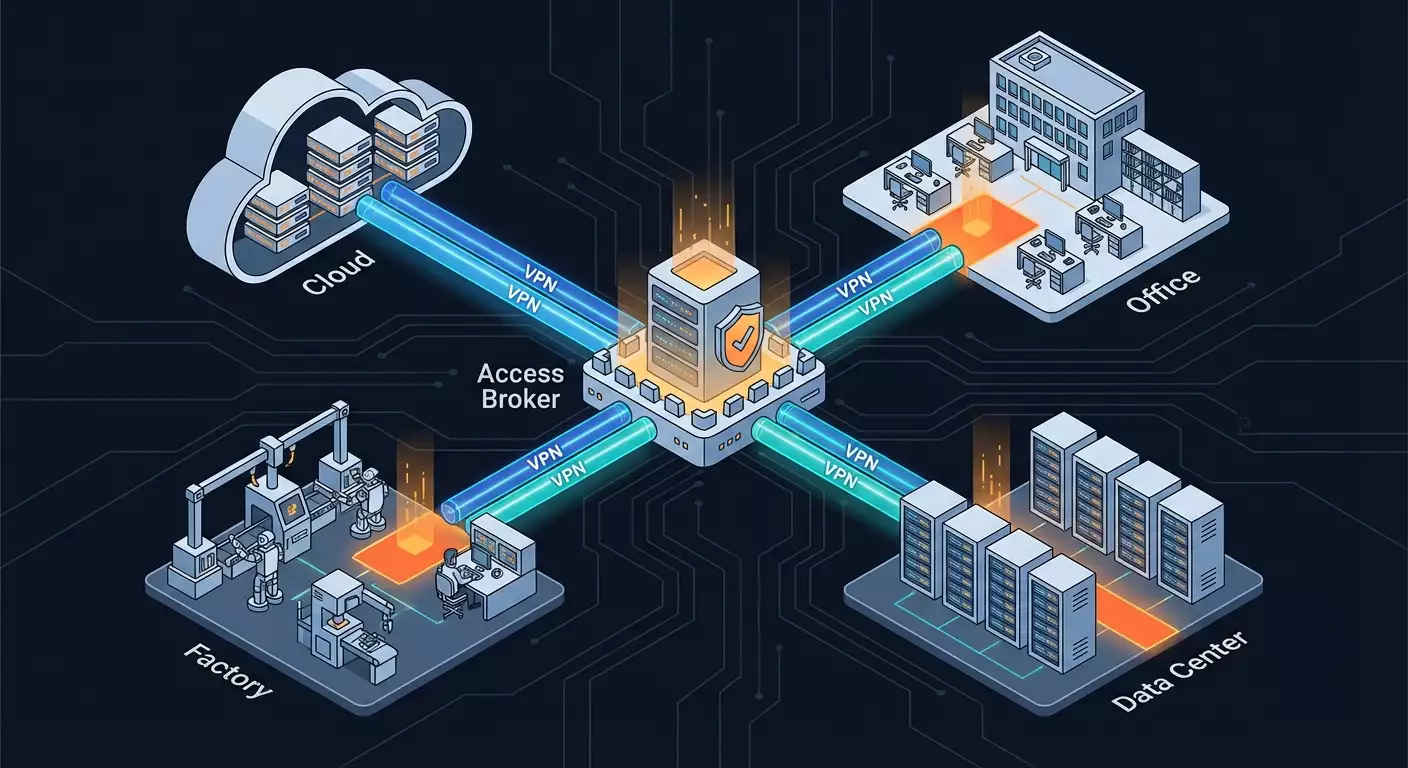
Паттерн 1. Звезда с брокером доступа и узкими туннелями
Центральный брокер (или несколько для отказоустойчивости) отвечает за аутентификацию, авторизацию и телеметрию. По краям — сегменты: офисы, цеха, облака, DMZ. Между ними узкие VPN-туннели, каждый с чёткой целью: мониторинг, репликации, управление, пользовательский доступ к приложениям. Все туннели помечены метаданными, полиси применяются декларативно. Для критичных сегментов мы вводим двойной контроль: туннель поднимается только при запросе и одобрении, TTL 2–8 часов, логирование на уровне пакета и заявки.
Плюс такого паттерна — управляемость. Вы видите карту, вы знаете, какой туннель зачем. При росте вы просто добавляете новый сегмент как новый «лист» звезды, а брокер автоматически распространяет нужные ACL/полиси и сертификаты. Минус — нужна хорошая SRE-дисциплина и инфраструктура наблюдаемости. Без них звездная схема превращается в «паутину из скотча». Но с автоматизацией — великолепно.
Паттерн 2. Mesh между площадками и облаками
Когда трафик многоточечный и чувствителен к задержкам, mesh решает: каждый сегмент имеет ограниченный набор туннелей к соседям по природе трафика, а маршрут выбирается динамически. Здесь важно не уйти в «полный граф». Мы рекомендуем ограничивать степень до 2–3 соседей и держать транзит строго контролируемым. Например, dev VPC в eu-central связан с staging VPC и с CI/CD сегментом, но не напрямую с prod. Prod получает туннель только к нужным shared-сервисам и к DR-сайту. В результате вы сохраняете гибкость без хаоса.
В 2026 mesh удобно строить на WireGuard c динамическим контрол-плейном, поверх SD-WAN оркестрации, которая учитывает метрики канала. QUIC как транспорт в ряде решений обеспечивает приличную устойчивость к потере пакетов. Дополнительно можно подключать BGP over VPN с ограничениями по анонсам. Главное — политика первична, маршрутизация вторична. Иначе получите «расползание» маршрутов и незаметные backdoor-ветки.
Паттерн 3. Just-in-time туннели с сильной идентичностью
Для особо чувствительных операций — администрирование, доступ к реестрам, обновления контроллеров — используйте JIT. Пользователь создает запрос, получает временную роль, а брокер поднимает туннель ровно на определенные адреса и порты с TTL. После истечения времени туннель схлопывается. Логи уходят в SIEM, при аномалиях SOAR закрывает сессию досрочно. Такой паттерн снижает постоянную экспозицию сегментов почти до нуля и, как ни странно, ускоряет работу: админы больше не ищут «кто оставил открытым порт 22 на том серваке». Всё ясно, по заявке, без сюрпризов.
Из практики: в банке среднего размера внедрение JIT для админдоступа к платежному контуру снизило успешность фишинговых попыток с последующим lateral movement до нуля за 9 месяцев наблюдений. Это не магия. Просто у злоумышленника нет постоянной «двери», и нет валидного окна времени. Шансов мало, шуму много.
Изоляция критической инфраструктуры и OT: ошибки смертельны
Зоны, каналы, детерминизм
В OT-средах мы не имеем права на авантюры. Здесь ценность не только данные, но и жизнь. В цеху поток должен идти ровно по плану. Мы делим инфраструктуру на зоны по критичности и функциям, применяем модель «зона/канал» из практик IEC 62443. Любой переход между зонами идет через строго контролируемый канал — чаще всего это VPN с DPI, прокси и инспекцией по белым спискам. Нет «универсальных» туннелей к PLC, нет «удобных» RDP в ICS. Есть четкий маршрут из эмпирически подтвержденных протоколов и портов, и только на время регламентных работ.
Ожидаемо, мы добавляем физическую и логическую сегментацию: отдельные VLAN (или даже отдельные L2), выделенные L3-фаерволы, межсетевые экраны уровня промпротоколов, и узкие VPN-туннели к конкретным сервисам мониторинга и обновлений. Никаких «широких» допусков. И, да, все админские пути должны быть JIT с MFA, подтверждением ответственного и мониторингом на уровне пакетов. Это не перегиб, это необходимость.
Регуляторика и соответствие: NERC CIP, IEC 62443, 152-ФЗ, PCI DSS
В 2026 проверяющие смотрят не только на документы, но и на фактические маршруты. Топологии, логи, алерты. Сегментация через VPN отлично ложится на требования: у вас есть изолированные зоны, у вас есть управляемые каналы, у вас есть доказуемые политики. Риски чтения и записи минимизируются. В ряде кейсов правильно оформленная сегментация упрощает соответствие PCI DSS для картплатежного сегмента, поскольку зона CDE становится четко ограниченной, а доступ к ней документирован и логирован.
Где тонко? В управлении ключами и сертификатами, а также в хранении логов. Вы должны гарантировать криптостойкость и неизменность следов. Многие переходят на специализированные хранилища с WORM-режимом и строят PKI с аппаратными корнями доверия. Отдельный must — периодическое тестирование аварийных сценариев. Отказ одного узла доступа не должен повесить сервис. Вы удивитесь, как много организаций в 2026 всё ещё не тестируют отказ брокера доступа. А потом говорят «ой».
Кейс: завод и облачный MES
Производственный холдинг подключил облачный MES к цехам через VPN с жёсткой L7-валидацией. Каждая площадка получила выделенный VLAN для OT, шлюз перевода протоколов и только два туннеля: мониторинг и обновления. Доступ инженеров — через ZTNA с JIT и регистрацией работ. Время внедрения — 12 недель, простои — ноль. Важный урок: тестируйте «отклонилки». В первый пилотный день брокер правильно завернул попытку доступа к неподписанному образу прошивки. Это сэкономило десятки часов разбора и, возможно, поломку линии. Простая правило, реальное спасение.
Инструменты и технологии 2026: что выбрать
Протоколы VPN: WireGuard, IPsec, TLS/QUIC и постквант
WireGuard стал де-факто стандартом для site-to-site и host-to-host благодаря простоте и скорости. IPsec по-прежнему жив там, где нужна совместимость с сетевым железом и зрелые реализации. TLS/QUIC используется в продуктах ZTNA/SDP, обеспечивая стабильность поверх «капризных» сетей. С точки зрения криптографии, уже идёт валидированный переход к постквантовым гибридам: классический ECDH в связке с Kyber для обмена ключами. Это не фантазии: многие вендоры включили гибридные профили к 2025, и в 2026 предприятия начинают их включать на внешних периметрах и критичных каналах.
Вопрос производительности актуален. Наши измерения показывают, что WireGuard на современных ядрах с offload держит высокую пропускную способность с накладными 3–8% по CPU при стресс-трафике. QUIC хорош там, где потери и переменный RTT. IPsec уверенен в аппаратном ускорении на маршрутизаторах. Главное — не венчайте один протокол «на все случаи». Под каждую задачу — свой инструмент, иначе или теряете скорость, или функциональность.
ZTNA, SDP, SASE и SD-WAN: собираем конструктор
ZTNA дает доступ к приложениям по контексту. SDP прячет инфраструктуру и поднимает туннели только под подтвержденные сессии. SASE объединяет сетевые и security сервисы в облаке, упрощая доставку политик по миру. SD-WAN добавляет контроль трафика и оптимизацию под каналы. В 2026 наиболее успешные внедрения — это не «выбор одного», а умный конструктор. Например, пользователь идет через ZTNA, сервисы между собой — через mesh на WireGuard, филиалы — через SD-WAN c гибридными каналами, а весь трафик к интернету — через SASE-шлюзы с CASB и DLP.
Звучит сложно? Да. Поэтому автоматизация и унификация политик — ключ. Опишите правила один раз, а система разведет их по нужным слоям: сетевому, транспортному, прикладному. Включите сценарии в CI/CD: прежде чем выпустить сервис, прогоняем симулятор политики, видим, как он войдет в сегментацию, какие туннели потребует, какие риски привнесет. Это дисциплина, но она окупается без сомнений.
NAC, IAM, MFA, EDR, SIEM и SOAR: связуемый оркестр
Без сильного IAM сегментация превращается в кашу. Роли, атрибуты, группы, автоматическая деактивация — всё это основа. NAC контролирует, кого мы пускаем в локальные VLAN и на каких условиях. EDR следит за состоянием хостов, чтобы условие «доверенное устройство» не было фикцией. SIEM собирает события, а SOAR реагирует: режет туннели, перекидывает маршруты, закрывает сессии по индикаторам. Нужна единственная правда — единый словарь объектов и ролей. Когда IAM говорит «это инженер смены в зоне А», все системы точно понимают, какой доступ выдавать и какие туннели поднимать.
Фактор времени критичен. Мы оцениваем успех по числу автоматических реакций без ручного вмешательства и по MTTR инцидентов. Хорошая цель в 2026 — закрывать подозрительные сессии в течение 60–120 секунд после срабатывания нескольких сигнатур и поведенческих индикаторов. Это сложно, но достижимо при условии, что сегментация и VPN управляются там же, где у вас SOAR. Иначе вы будете «писать письма сетевикам» и терять минуты, а иногда и часы.
Архитектуры и кейсы: от офиса к облакам и подрядчикам
Корпоративная сеть с филиалами и удаленной работой
Стартуем с простого. Главный офис, три филиала, сотни удаленщиков. Локально — VLAN по функциям, межсегментные ACL. Между офисами SD-WAN с двумя провайдерами. Пользователи идут через ZTNA, где каждое приложение выдается по принципу «минимально достаточного». Филиалам и дата-центру — site-to-site VPN по профилям. Доступ подрядчиков — только JIT и только к нужным сервисам, с обязательной валидацией устройства. Так мы держим каркас простой и управляемый.
Что получили на практике? Снижение инцидентов на 40% за 6 месяцев по сравнению с толстым VPN на всех сотрудников, по статистике внутренней службы ИБ. Время подключения нового филиала — 4–7 дней вместо 3–4 недель. И да, пользователи перестали видеть «всю сеть». Они видят свой набор приложений, и это неожиданно упрощает поддержку. Меньше вопросов «а у меня пропинг не идет до 10.0.0.14». И слава богу.
Гибридное облако и мультирегион
Облачная часть строится как набор VPC/VNET c малым blast radius. Prod изолирован, staging и dev связаны только с набором общих сервисов — логи, биллинг, артефакты. Все связи между облаком и on-prem идут по VPN, а между облачными регионами — mesh с ограниченной степенью. В Kubernetes — сервис-меш с mTLS и политиками L7, и отдельные шлюзы север-юг с WAF. Пользовательский доступ к админке — через ZTNA, никакого прямого входа в кластер. Даже SRE для экстренных работ идет по JIT.
Результат — локализация инцидентов. Однажды в dev обнаружили вредную зависимость в контейнере. Политики не позволили ей достучаться до prod-метаданных и до внутренних API. Да, шум был. Но система выдержала, потому что сеть была не «единым морем», а набором каналов с фильтрами и правилами. Это и есть суть сегментации через VPN и микросегментации: «пожар» не становится «лесным пожаром».
Подрядчики, временные команды, аудиторы
С подрядчиками больно. У них свои ноутбуки, свои привычки, иногда свои угрозы. Мы разделяем их доступ на уровень приложений: ZTNA выдаёт ровно то, что нужно, только из доверенной среды (VDI или зарегистрированное устройство), с журналированием. На период аудита открываем временные туннели с читабельными описаниями: «Аудит SOC2, зона CDE, read-only, TTL 72 часа». По окончании всё схлопывается автоматически. Не надо вспоминать, кому закрыть после проекта — система сделает это сама.
В кейсе аудита крупной финкомпании такой подход сэкономил 14 человеко-дней ручной работы по созданию и удалению доступа, разгрузил ИТ и исключил «забытые учетки». И самое приятное, аудиторы отметили прозрачность: все допуски видны, логи есть, ответы быстрые. В мире комплаенса это почти редкость, и вы сразу получаете плюсик в карму.
Эксплуатация: наблюдаемость, тестирование и политика как код
Телеметрия и SLO для безопасности
Если вы не меряете, вы гадаете. Для сегментации через VPN задайте ключевые SLO: время установки туннеля, процент успешных аутентификаций, задержки на критичных маршрутах, накопленная доступность брокера и узлов. Эти цифры не только для ИБ. Они позволяют бизнесу понимать, где слабые места и куда инвестировать. Хорошая практика — публиковать ежемесячный «security networking» отчет: метрики, инциденты, улучшения. Со временем вы увидите закономерности и подловите баги, которые иначе прятались бы годами.
Инструменты? Экспорт метрик из VPN-контрол-плейна, ZTNA, SD-WAN и сервис-меша в единый TSDB, корреляция в SIEM, а алерты — в SOAR. Не гонитесь за идеалом. Начните с 5–7 понятных метрик и доведите их до автоматических реакций. Например, деградация туннеля оплаты — резервация на альтернативный канал, уведомление SRE и ограничение несущественных потоков. Всё. Просто. Работает.
Policy as Code и симуляции
Политика как код — лучший друг сетевой сегментации. Мы описываем желаемые связи в декларативном файле, держим в репозитории, проверяем на review, прогоняем тесты, и только потом применяем. Симуляторы показывают, что изменится: какие туннели создадутся, какие ACL сузятся, что отвалится. Мы ловим ошибки до релиза. Это экономит часы и нервы. Классический пример — блок dev-инженерам доступа к staging по ошибке. В симуляции статус-кво краснеет, разработчики быстро подсвечивают риск, и вы вносите коррекцию. Пятиминутное обсуждение вместо ночного инцидента.
Технологически многие используют единый DSL для политик ZTNA, SD-WAN, сервис-меша и NAC. Да, интеграция не идеальна, но пайплайн уже реально работает. Плюс линтеры и политики безопасности в CI. Сначала кажется заморочкой, потом без этого жить страшно. Слова не пустые.
Аварийные планы и учения
Отказ брокера? Падение узла VPN? Ошибка в PKI? Всё это нужно репетировать. Раз в квартал проводите учения — «сжечь» основной брокер и поднять запасной, перевести каналы на резервный провайдер, проверять JIT-процессы вручную. Документация хороша, но мышечная память лучше. Те, кто тренируются, восстанавливают доступ за 5–15 минут. Те, кто «на бумаге», делают это часами. Разница в деньгах и нервах огромна.
Секрет прост: делайте учения интересными и реалистичными. Добавьте сюжеты с частичными отказами, с «человеческими» ошибками, симулируйте, что нужно применить откат политик. Команда научится ценить автоматизацию и поймет, где у вас «уязвимые швы». Это единственный способ проверить, что ваша сегментация не развалится в момент, когда мир решит пошуметь.
Производительность и пользовательский опыт: без компромиссов
Оптимизация маршрутов и точек присутствия
Чтобы VPN не тормозил, размещайте точки присутствия ближе к пользователям и сервисам. Оснастите SD-WAN политиками выбора пути по задержке и потере. Используйте split-tunnel грамотно: не тащите весь интернет через корпоративный центр, если SASE-шлюзы в облаке уже проверяют трафик. Микросегментация здесь помогает — меньше «всепроникающих» потоков, больше целевых маршрутов. Итог — ниже задержки, выше стабильность.
Стоит попробовать и QUIC в сценариях высокой потери. В смешанных сетях операторов он выглядит бодро. Плюс кэширование политик на клиентах ZTNA: когда интернет «плавает», пользователю не кажется, что «всё упало». Незаметные победы складываются в отличную оценку от бизнеса. А это очень помогает, когда вы просите бюджет на следующий квартал.
UX доступа: понятные ошибки и самообслуживание
Пользователь не должен гадать, почему он не попал к приложению. Дайте ему внятные сообщения: «Недостаточно прав. Запросите роль X» или «Устройство не соответствует требованиям: включите шифрование диска». Добавьте портал самообслуживания для JIT-заявок с SLA на утверждение. Сократите маршрут: чем проще получить правильный доступ, тем меньше обходных путей и теневых ИТ. Реальность показывает, что хорошие UX-решения снижают число тикетов на 20–35%.
И не забывайте про мобильность. Клиенты ZTNA и легкие VPN-клиенты должны работать одинаково хорошо на лаптопах и телефонах. Именно телефон сегодня — резервный канал для критичных операций. Бывает, смешно и грустно, но true story: один инцидент закрыли с телефона в такси, потому что JIT-процесс и MFA были нажатием двух кнопок. А если бы надо было «ставить тяжелый клиент» — финал был бы печальней.
Надежность: N+1, кэш, деградация graceful
Проектируйте отказоустойчивость везде. Брокер доступа должен иметь горячий резерв, кеш политик на клиентах должен переживать короткие отказы контрол-плейна, а пайплайн PKI — иметь офлайн-ключи и план ротации. Грациозная деградация — когда сервис слегка хрипит, но не падает насмерть. Вы не обязаны и не сможете гарантировать 100% доступность, но можете сделать так, чтобы сбои были короткими и понятными, с ясными обходными сценариями. Бизнес это ценит.
Пример: кэш политик живет 15 минут при пропаже брокера, после чего сессии требуют обновления. Это компромисс между безопасностью и доступностью. Да, можно строже, можно мягче. И вот здесь тот самый случай, когда «идеально» — враг «хорошо».
Безопасность на уровне приложений: не всё решает сеть
mTLS, сервис-меш и явные границы L7
Как ни сегментируй сеть, если сервисы доверяют всем подряд — беда неизбежна. В 2026 нормой стал mTLS между сервисами, с ротацией сертификатов через mesh. Политики L7 определяют кто с кем и чем разговаривает: методы, пути, заголовки. Мы сводим неизвестность к минимуму. И даже если сеть дала сбой и пропустила лишний пакет, L7 не даст операции пройти. Это второй пояс безопасности, без которого микросегментация часто не добирает.
Конечно, это накладывает дисциплину на команды приложений. Не любят, спорят, но через квартал признают: устойчивость выросла, инциденты локализуются, а дебаг быстрее. Когда слой ответственности у приложения тоже строгий, сеть становится проще и предсказуемее. И, честно, нам всем легче дышать.
Данные: классификация, DLP, токенизация
Вы не защитите всё одинаково. Стоит честно провести классификацию данных и привязать политику доступа к классам. Личные данные — один набор сегментов и каналов, платежные — второй, RnD — третий. DLP на SASE-шлюзах и в email, токенизация для внешних интеграций, сквозное шифрование для особо чувствительных наборов. И помните, сеть — это не волшебная коробка. Если приложение «вываливает» всё наружу, никакой VPN не спасет. Работаем вместе с владельцами данных, а не вместо них.
Интересный тренд 2026 — «privacy by design» в сетевой политике. По умолчанию трафик приватный, логи обезличены, а раскрытие проводится только по запросам с нужной ролью и аудитом. Секретность перестает быть «режимом», это состояние системы. И нам это нравится.
Атаки на цепочку поставок: минимум доверия по умолчанию
Supply chain стал главной головной болью последних лет. Мы интегрируемся с внешними API, подключаем образы, ставим агенты — а где гарантия? Сегментация через VPN помогает, но финальный барьер — белые списки исходящих направлений, валидация артефактов, SBOM, и «песочницы» для новых компонентов. Внешний провайдер получает ровно один туннель к точно определенному сервису. Любой обход — событие для SIEM. Да, некоторым партнерам сложно, но пусть это будет вашим фильтром зрелости. Безопасность — не место для компромиссов с удачей.
Хорошая практика — периодические «проверки дружбы»: ревью всех внешних туннелей раз в месяц. Что активно, кто владелец, зачем нужно. Убирайте мусор без жалости. Истина простая: закрытый туннель не взломают.
План внедрения: с чего начинать и где не сорваться
Инвентаризация и карта зависимостей
Начинайте с инвентаризации. Сервисы, пользователи, данные, зависимые системы, внешние связи. Нарисуйте карту потоков: кто с кем и зачем. Без этого сегментация станет угадайкой. И обязательно выведите критичные пути отдельно: платежи, управление, журналы, аварийная связь. Мы часто обнаруживаем «скрытые» зависимости, которыми пользуются одни люди раз в месяц. Потом эти пути ломаются, и все удивляются. Карта убирает сюрпризы.
Инструментарий простой: сетевой анализ, сбор логов, опросы команд, агентский мониторинг. Да, скучно. Но если пропустить этот шаг, вы заплатите больше в конце. Дьявол живет в мелочах, а сегментация — это про мелочи.
Пилот, масштабирование и стандарты
Запустите пилот на ограниченном домене: один филиал, один облачный сегмент, один критичный сервис. Проверьте доступы, JIT, ZTNA для пользователей, mesh между сервисами. Замерьте метрики до и после: латентность, число инцидентов, MTTR. На основе фактов закрепите шаблоны: профили туннелей, роли IAM, политики eBPF, L7 правила. Всё, что повторяется, упакуйте в стандарты. После этого масштабирование становится не проектом, а процессом.
Не забывайте про «мусорные» штуки. У вас наверняка найдутся старые правила, непрозрачные ACL, забытые сервисы. Чистите. Кладбища привидений — источник утечек и сбоев. Делайте ревью политики раз в месяц. Это миорелаксация для сети.
Обучение и культура
Люди важнее коробок. Проведите обучение для инженеров, продуктов, службы поддержки. Объясните, почему мы перестали давать «общий VPN в сеть». Покажите, как работает JIT и как подается заявка. Придумайте cheat sheet на одну страницу. Поставьте KPI на безопасность, но не карайте за честные ошибки. Команда должна верить, что политика не мешает, а помогает работать. Тогда у вас всё получится, даже если сначала кажется, что «сложно и долго».
Культура проявляется и в уважении к процессам. Если руководитель просит «дайте мне всё, я же босс», это тест системы. Скажем честно: иногда приходится объяснять в третий раз. Но, когда люди видят прозрачность и скорость корректного доступа, сопротивление снижается. И это путь без возврата.
FAQ: коротко и по делу
В чем разница между VLAN и VPN для сегментации, и можно ли обойтись чем-то одним
VLAN разделяет локальную сеть на L2/L3 домены и отлично подходит для кампусов и дата-центров, где нужен быстрый трафик без выхода в WAN. VPN строит защищенные каналы поверх IP и гибко соединяет удаленные сегменты, облака и филиалы. В 2026 выигрыш дает гибрид: VLAN для локальной чистоты и производительности, VPN для межсегментной и межплощадочной связи, а поверх — микросегментация и Zero Trust. Полная замена одним из инструментов почти всегда приводит к компромиссам: либо боль в масштабировании, либо дыры в изоляции.
Микросегментация обязательно требует ZTNA и eBPF, или можно начать проще
Начать можно с простого: ужесточите L3 ACL, уберите универсальные доступы, внедрите JIT для админских задач. Затем добавьте ZTNA для пользователей, чтобы выдать доступ к приложениям, а не к сети. eBPF-агенты и сервис-меш дают более тонкий контроль на L7 и хостах, но их можно раскатывать постепенно. Стратегия «по слоям» работает лучше, чем большой взрыв. Главное — привязывать доступ к идентичности и контексту, а не к IP-адресу.
Сильно ли упадет производительность при переходе на VPN-меш и ZTNA
При грамотном дизайне — незначительно. WireGuard и IPsec с аппаратным ускорением справляются с высокими скоростями, QUIC устойчив к потере пакетов, а SD-WAN и локальные точки присутствия сокращают задержки. На практике компании видят накладные 5–10% при корректной топологии и split-tunnel. Часто сегментация даже повышает стабильность, потому что уменьшает широковещательные домены и убирает «лишние» пути трафика. Важно тестировать заранее и выбирать протокол под задачу.
Как изолировать критичную инфраструктуру, если нужно периодически обновлять PLC и собирать телеметрию
Разбейте OT на зоны по модели IEC 62443 и обеспечьте строго контролируемые каналы. Используйте узкие VPN-туннели только на белые списки протоколов и портов, включите JIT для админских операций с MFA и логированием. Телеметрия идет по выделенному каналу в мониторинговый сегмент, обновления — через отдельный канал с проверкой подписей. Никаких универсальных туннелей. Так вы минимизируете постоянную экспозицию и сохраняете детерминизм процесса.
Нужно ли уже включать постквантовую криптографию в VPN
Да, для внешних и долгоживущих каналов стоит рассмотреть гибридные схемы обмена ключами (например, ECDH+Kyber). Вендоры в 2025–2026 включили поддержку гибридов, и переход идет постепенно. Это снижает риск «собери сейчас — расшифруй позже». Для внутренних краткоживущих туннелей можно планировать поэтапный rollout. Делайте пилоты, проверяйте совместимость и измеряйте накладные. Паники не нужно, но игнор тоже плохая идея.
Как доказать бизнесу, что сегментация через VPN окупается
Говорите цифрами. Покажите снижение инцидентов, MTTR, время включения новых филиалов, сокращение «ручных» операций доступов. Привяжите туннели к SLA критичных сервисов: «этот канал защищает платежи, доступность 99.95%». Продемонстрируйте кейсы, где микросегментация остановила боковое движение или упала нагрузка на поддержку. Когда есть метрики и реальные истории, бюджет становится работой с рисками, а не абстрактной «безопасностью ради безопасности».